
In-house naval architects and engineers
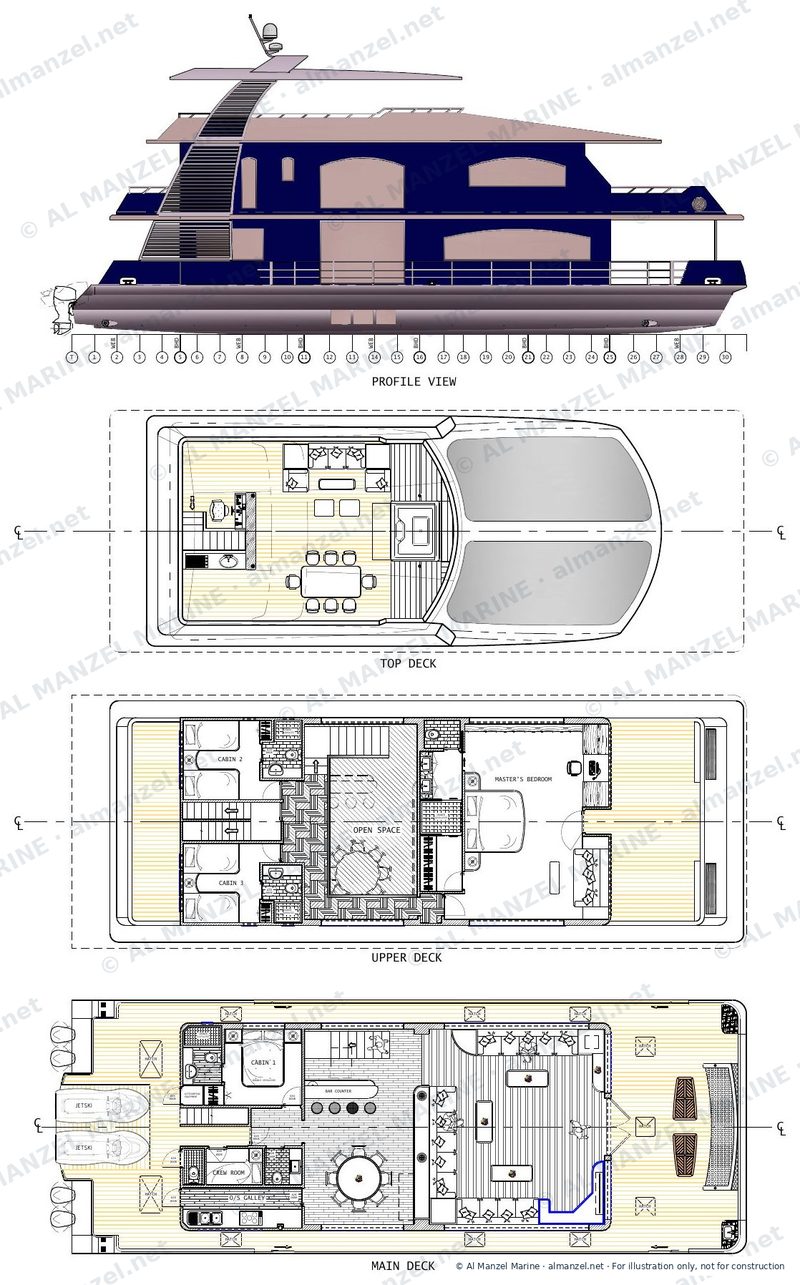
Al Manzel Marine vessels and marinas are designed in-house by experienced naval architects and engineers, modelled in Rhino and Maxsurf from first sketch, then drawn up in AutoCAD for production.
Experience across three regions
Our naval architects and engineers have designed commercial vessels for government agencies, oil and gas and fishing operators in Australia, New Zealand and the Gulf. That experience goes into the houseboats, workboats and marinas we draw.
Because design and build happen in the same yard, our designers work alongside the fabricators who build their drawings. Changes are resolved quickly and lessons from each build go straight into the next design.
- Concept and layoutWe start from your brief, or from one of our existing designs, and agree the general arrangement: length, layout, capacity and how the vessel will be used.
- Designed in 3DThe whole vessel is built digitally first, so arrangements, clearances and weights are checked before any metal is cut.
- Hull form, stability and performanceThe hull shape is developed and faired in Rhino and Maxsurf, with hydrostatics and stability calculated for each loading condition. Speed, power, range and endurance are predicted for the chosen engines.
- Structural analysisPlating and framing are analysed and sized by our engineers to recognised classification society rules for aluminium craft, or to the GCC regulations for commercial craft working in Gulf waters.
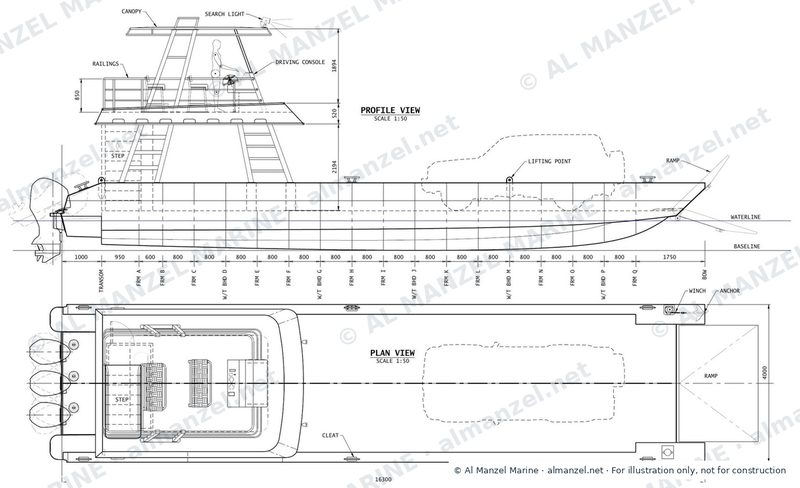
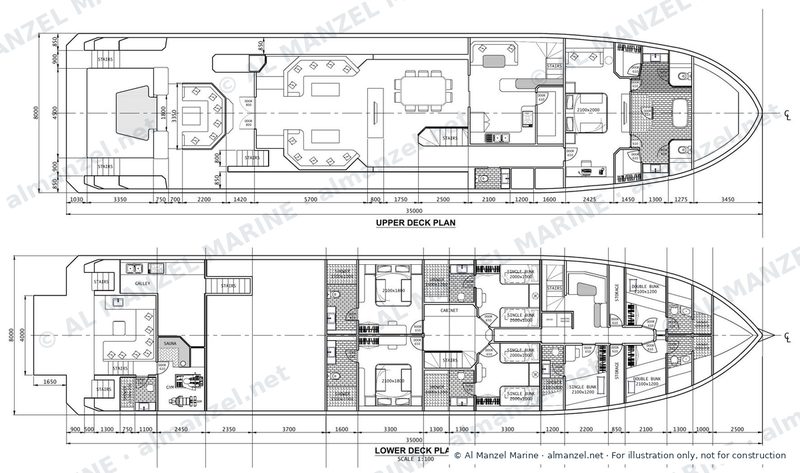
- Production drawings in CADThe model is sectioned into detailed CAD production drawings for our fabricators, and the same drawings support approval by the authorities.
Which rules apply to my boat?
Not sure which applies? Tell us what the boat will do and where. We'll confirm the rules and handle the drawings and approvals.
Class rules
Larger commercial vessels, and anything trading outside the Gulf, are usually built to the rules of a classification society, which approves the drawings and surveys the build.
GCC regulations
Commercial craft working in Gulf waters that fall outside the IMO conventions are covered by the GCC Safety Regulations for Non-Conventional Ships. That includes cargo craft and barges from 12m and small passenger craft under 24m carrying fewer than 200 people. These set requirements for construction, stability, machinery, fire safety and life-saving equipment, and accept structures built to class rules.
Private and leisure craft
Pleasure craft not used in trade sit outside both, but we still design them to the same structural rules.
Start from one of our designs
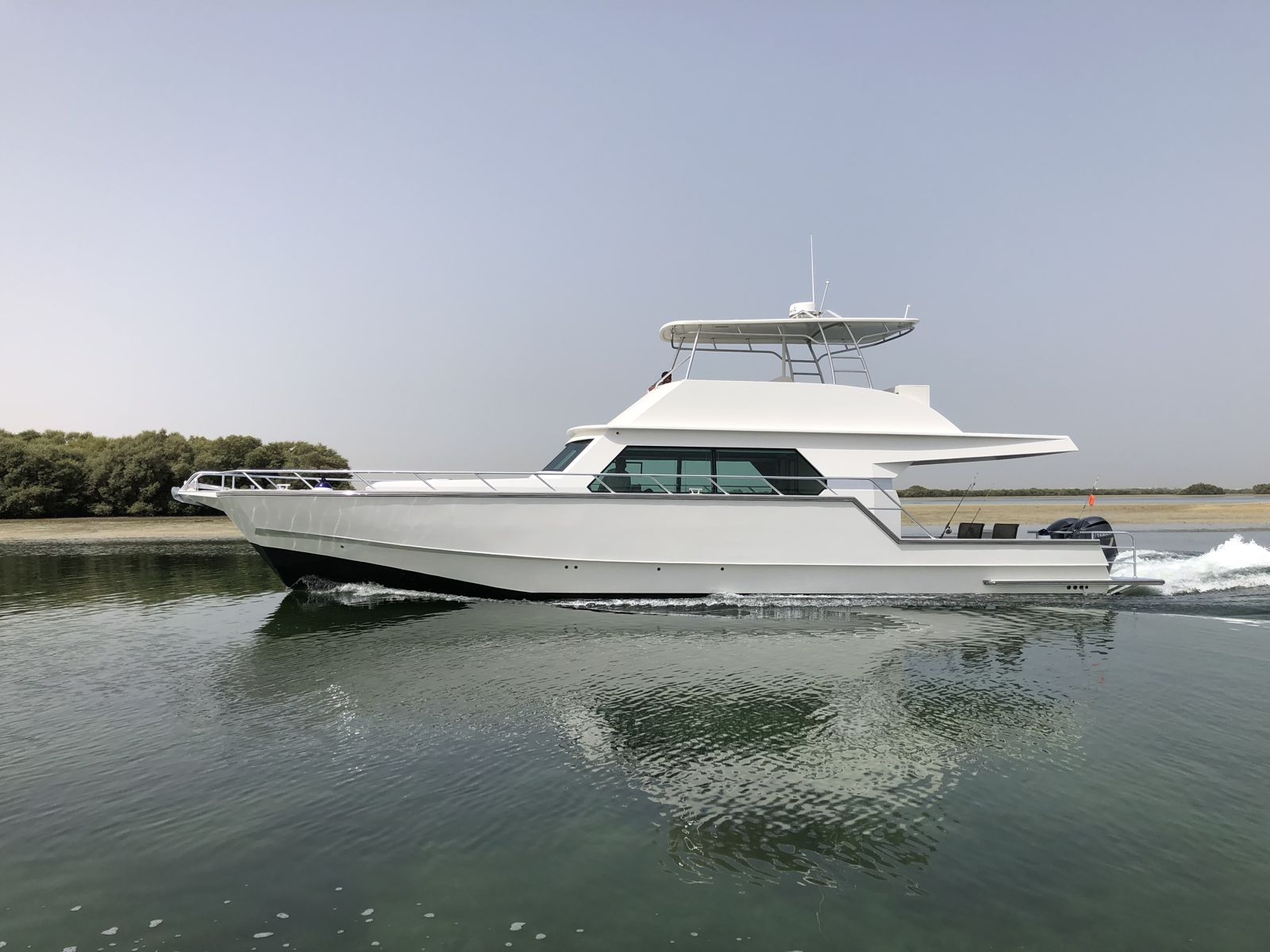
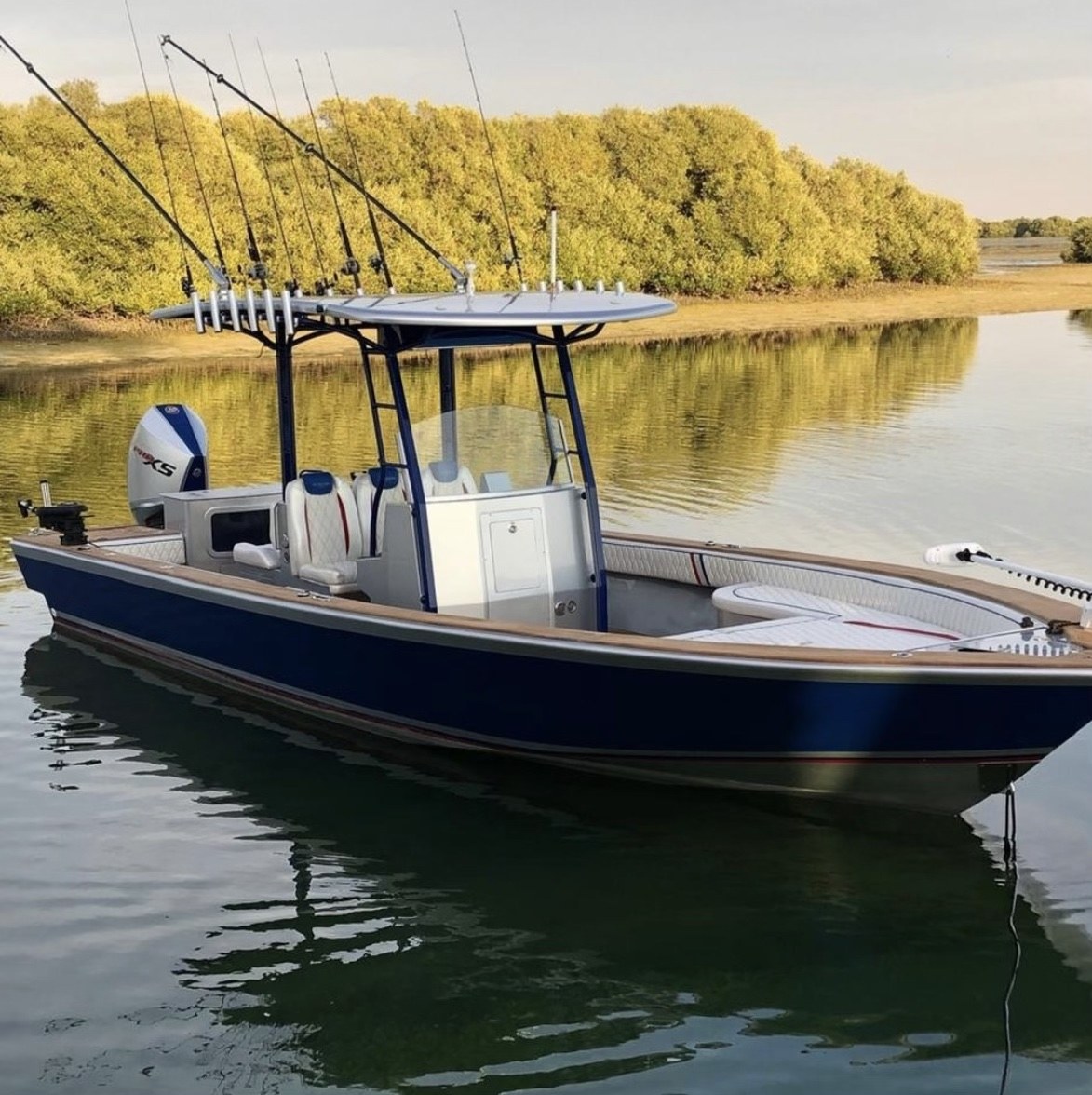
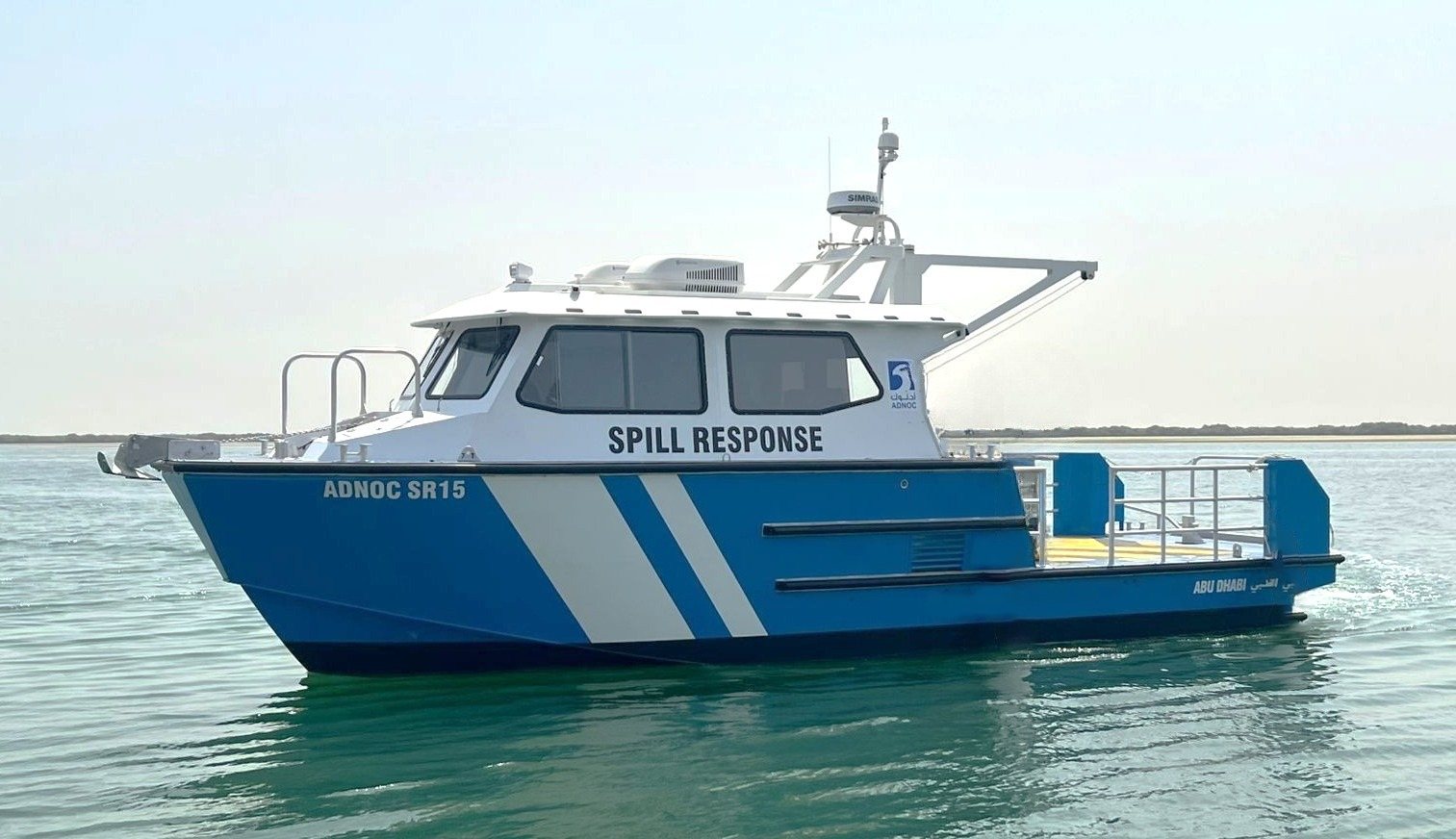
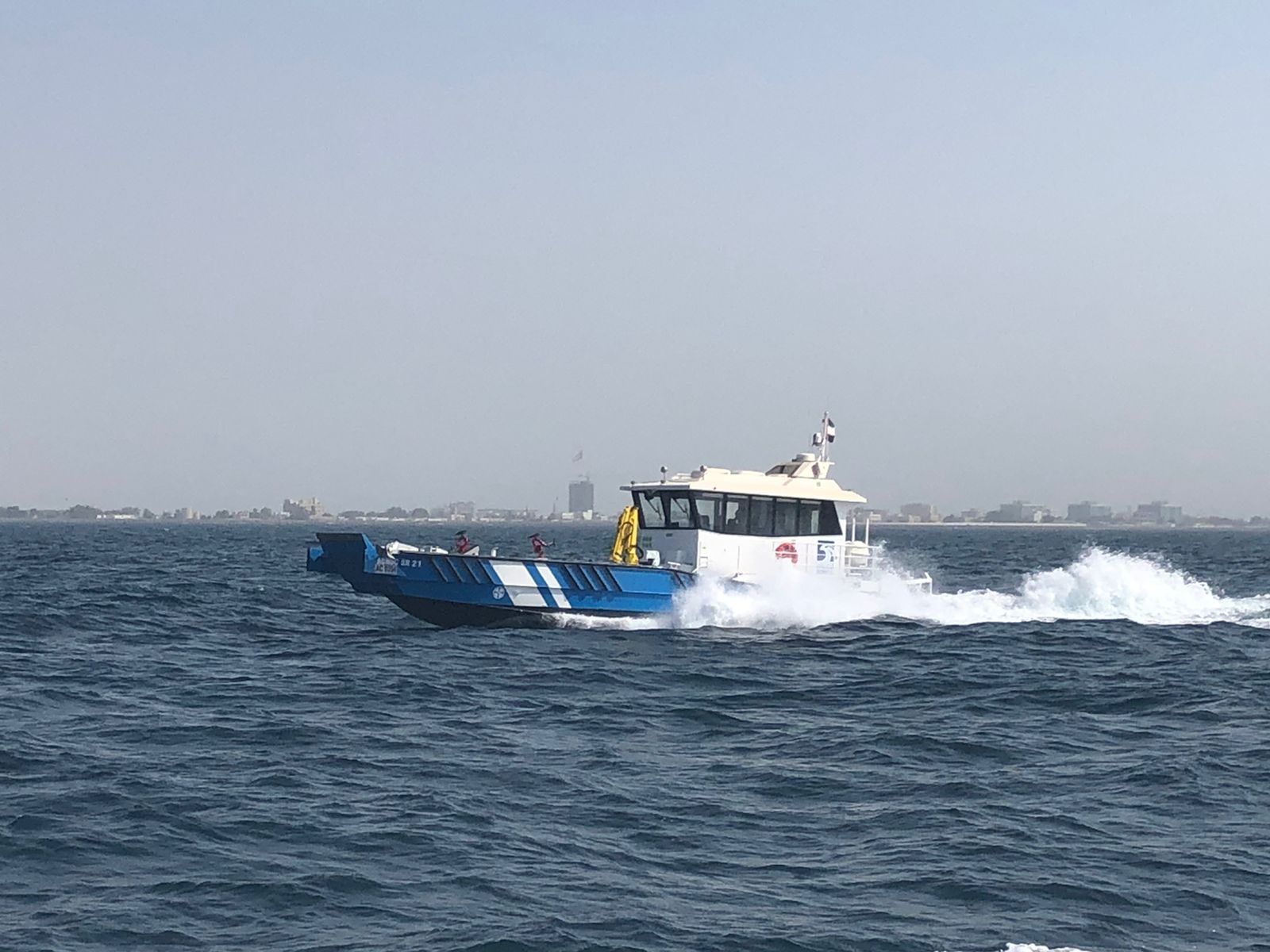
Recent work from our design office: proven designs we have built and delivered, and new designs ready to build. Any of them can be adapted to your requirements, giving your project a head start.
Have a project in mind?
Send us your brief or drawings and our team will come back with a proposal.